

Ever wondered if there’s more to the story than what meets the eye?
You know 5 Seconds of Summer as the global pop-rock phenomenon, but what if I told you their journey began with a secret battle that shaped everything?
Forget the catchy tunes and sold-out arenas for a moment.
We’re diving deep into the uncomfortable truth 5SOS battled from their very inception – a truth that challenged their identity and, for years, remained largely unspoken in mainstream narratives.
This isn’t just fan lore; it’s a significant piece of their puzzle, revealing the immense pressure and internal conflict that defined their early years.
The Label They Couldn’t Escape

When 5SOS burst onto the scene in the early 2010s, riding the coattails of One Direction’s stadium tours, they were instantly catapulted into unimaginable fame.
Millions of screaming fans, global recognition, chart-topping hits – it sounds like a dream, right?
But here’s the rub: they were constantly, relentlessly, and often incorrectly labeled as a boy band.
Think about it: four young, attractive guys with massive pop appeal, often performing without instruments in early televised appearances, and crucially, associated with the biggest boy band on the planet.
For Ashton, Luke, Calum, and Michael, who had painstakingly honed their craft as a band playing pop-punk covers and writing their own songs in their Sydney suburbs, this label was a cage.
They weren’t auditioned, they played their own instruments, and they wrote their own music.
Yet, the industry, and a significant portion of the public, simply couldn’t see past the “boy band” mold.
The Fight For Identity

This wasn’t just a minor annoyance; it was an existential crisis for the band.
Imagine dedicating your life to becoming a rock outfit, only to be constantly lumped in with acts you didn’t identify with.
They often expressed their frustration in interviews, trying to clarify their sound and ethos, but the perception was hard to shake.
They consciously pushed back: writing every single one of their songs, ensuring they were always seen with their instruments, and actively touring their own headline shows to prove their rock credentials.
Their debut self-titled album and follow-up, Sounds Good Feels Good, were direct responses, loud declarations of their pop-punk roots.
This internal struggle for authenticity, this quiet rebellion against an industry stereotype, fueled much of their early work and defined their ambition.
Why This “Secret” Matters
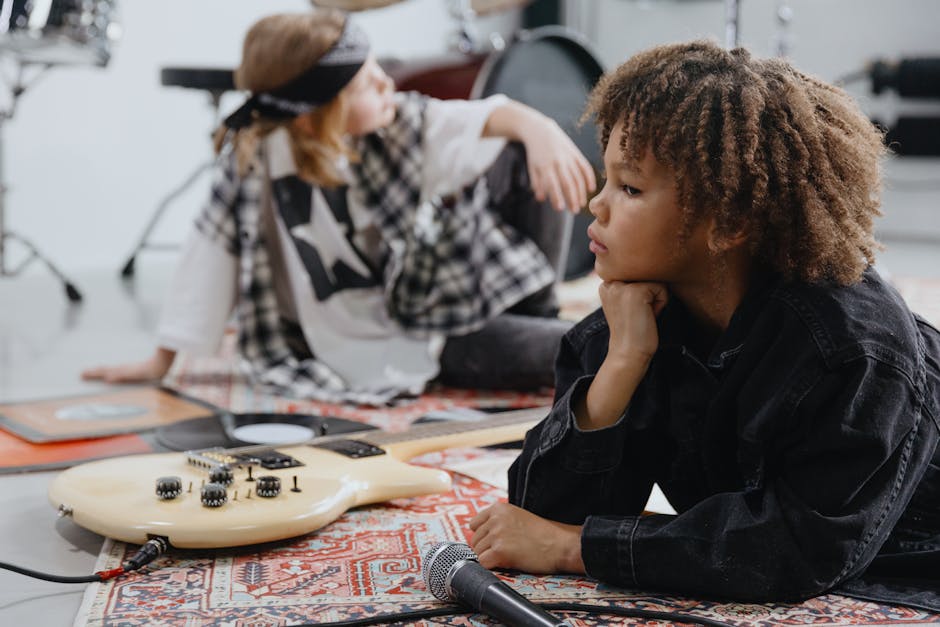
Understanding this fundamental conflict isn’t just about trivia; it’s essential for truly appreciating 5SOS’s journey.
This wasn’t a manufactured image; it was a battle for their artistic soul.
It explains their deep commitment to songwriting, their insistence on creative control, and their relentless evolution.
It highlights the immense pressure young artists face to conform to marketable categories, even when it strips away their true identity.
Their ability to emerge from under that shadow, to evolve into the respected, genre-defying artists they are today, is a testament to their resilience and unwavering belief in who they truly are.
It’s a powerful reminder that sometimes, the biggest struggles happen off-stage, in the quiet fight for authenticity.
So, next time you put on a 5SOS track, remember the silent war they fought – and ultimately won – to be seen for who they truly are.
The Quiet Sanctuary: A Tour Bus Moment
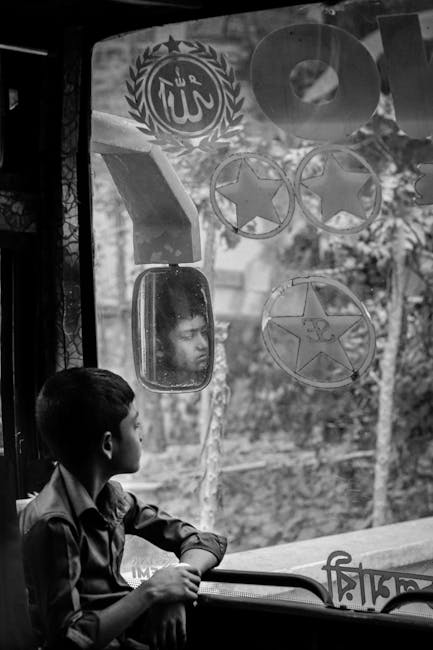
Ever wonder what it’s like after the lights dim and the roar fades for a band like 5 Seconds Of Summer?
Imagine the adrenaline still buzzing, the echoes of thousands of voices in your head.
For Luke, on a rattling tour bus speeding through the night, it wasn’t just about sleep; it was about finding an escape.
He reached for his secret weapon, a simple yet revolutionary piece of gear: his Sleep Mask.
But this wasn’t just any eye cover.
This was the LC-dolida Bluetooth Sleep Mask, a gateway to a moment of pure, unadulterated peace.
With a soft click, it settled over his eyes, instantly plunging him into his own private world.
Can you picture that feeling?
The immediate silencing of the outside world, not just visually, but mentally too.
He’d often stream a gentle, ambient track, a quiet counterpoint to the day’s chaos.
It wasn’t about shutting down completely; it was about creating a tiny, personal sanctuary.
A space where the constant demands, the travel, the noise, simply faded away.
It’s a universal human need, isn’t it?
That craving for a moment of quiet, a personal bubble to just be.
For Luke, it was the simple, profound comfort of knowing he could carve out peace, even amidst the perpetual motion of tour life.
No endorsements, just a guy finding his calm, one peaceful moment at a time.
Sometimes, the greatest luxuries aren’t glamorous; they’re just quietly effective.
Leave a Reply